 New Delhi:
 Global evidences have established that access to family planning and reproductive health services directly improves nutrition and wellness of women, apart from enabling them to enter the workforce.
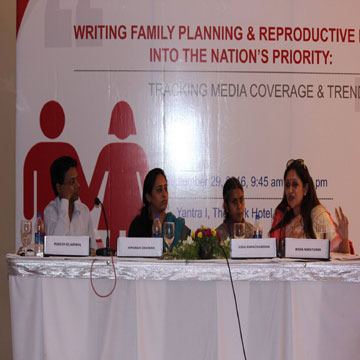
The Population Foundation of India (PFI) and Women’s Feature Service (WFS) held a consultation titled ‘Writing Family Planning and Reproductive Health into the Nation’s Priority: Tracking Media Coverage and Trends’ between media representatives and public health and family planning experts. The consultation marked the beginning of a crucial discussion on understanding trends and reportage on the issue of maternal health, family planning and reproductive health.
The consultation brought together media and family planning advocates and experts to explore the role each plays in bringing the issue to the forefront of policy and government attention. The country has only recently re-aligned its focus on reproductive health and family planning away from a target based or “population control” prism, towards a right-based approach to family planning.
In India, almost 20.5% women’s demand for family planning methods remains unmet as they do not want to become pregnant but are not using any contraception, according to DLHS III data. Unmet need for family planning is an important indicator for assessing the potential demand for family planning services, which is found to be highest among couples from the lowest economic strata. The un-addressed unmet need for contraception increases vulnerability and morbidity for women from unsafe abortions. Data from the World Health Organization (WHO) states that every 8 minutes a woman in a developing nation will die of complications arising from an unsafe abortion.
According to the Indian government’s estimates, if the current unmet need for family planning could be fulfilled within the next five years, the country can avert 35,000 maternal deaths and 12 lakh infant deaths. If safe abortion services are coupled with increase in family planning, the savings made to the country could be to the tune of Rs 6,500 crore .
The consultation had two principal sessions- one that traced the comprehensive narrative of family planning and another that discussed the reporting of family planning issues in the media. The panellists and moderator for the consultation included senior media representatives, Ms NeerjaChowdhary, Mr Alok Mehta (Editor, Outlook), Ms Nidhi Kulpati(Senior Anchor, NDTV India), Mr MukeshKejariwal (Special Correspondent, DainikBhaskar), Ms Asha Ramachandran (Assistant Editor- The Statesman), Ms HimanshiDhawan (Senior Assistant Editor- The Times of India), Ms NishaNarayan (COO –93.5 RED FM). Ms Poonam Muttreja represented the civil society and public health community at the consultation.
Speaking at the occasion, Ms Muttreja said, “Media is a vital ally and partner for all of us who work to improve the access to sexual and reproductive health rights for the youth and adolescents. Media plays a crucial role in bringing issues on family planning to the attention of the policy makers and influencers, however, the coverage or attention to stories on family planning remains negligible. This consultation is an attempt towards changing this and initiating a robust and sustained debate on family planning, women’s health and reproductive rights. We wish to see family planning become part of the mainstream media narrative.”
A book titled ‘India’s Family Planning Programme: Policies, Practices and Challanges’ authored by Prof Leela Visaria and Dr Rajani Ved was introduced at the meeting.